
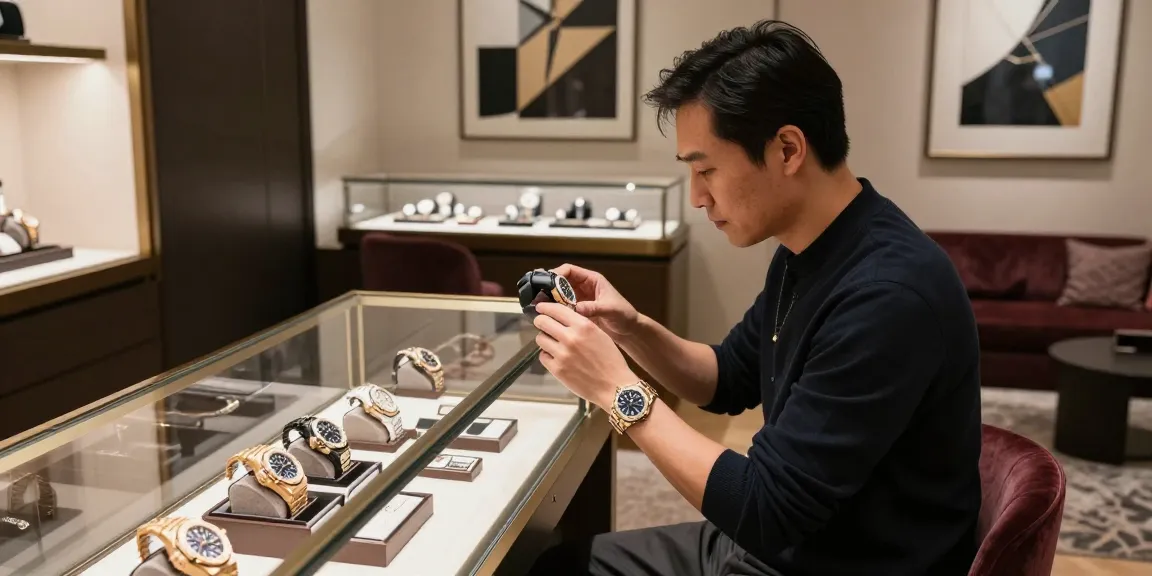
The Origins of Replica Watches: A Historical Overview
The journey of replica watches is woven with intrigue, innovation, and changing consumer perceptions. From their inception to the modern-day super clone phenomenon, replica watches have evolved significantly, reflecting technological advancements and shifting societal attitudes. As high-quality replicas become more recognized for their craftsmanship, understanding their origins is crucial for enthusiasts and casual buyers alike. When exploring options, replica watches offer insights into this transformative world of horological reimagination.
How Replica Watches Began
Replica watches trace their roots back to the early 20th century when the desire for luxury timepieces grew, often outpacing economic possibilities. Initially, these items were simplistic imitations, created mainly to fulfill demand without the intent to deceive. Early replicas were crude and often mixed various components, leading to a general disregard for authenticity. However, as interest in luxury brands like Rolex, Omega, and Patek Philippe surged, so did the sophistication behind replicas.
Early Innovations and Key Milestones
The 1970s saw a drastic shift in the watch industry with the introduction of quartz technology, which made it easier to replicate watch functions accurately. This period marked the beginning of more refined replicas, as manufacturers began to focus on mimicking not just the appearance, but also the functionality of luxury pieces. The advent of digital printing and improved manufacturing processes through the ’80s and ’90s further propelled the replica market forward. The emergence of watch forums in the early 2000s allowed enthusiasts to share knowledge about high-quality replicas, leading to greater demand for detailed and accurate craftsmanship.
Shifting Perceptions: From Stigma to Acceptance
As replicas became increasingly sophisticated, the stigma surrounding them began to fade. Collectors started appreciating the artistry involved in crafting high-quality replicas, viewing them as a viable alternative to prohibitively expensive luxury pieces. Today, it’s not uncommon for seasoned collectors to own both authentic and replica watches, recognizing the value each can hold. The modern super clone market epitomizes this shift, with brands now offering products that meet stringent quality standards.
The Super Clone Standard: What Sets It Apart
What distinguishes super clones from traditional replicas is an unwavering commitment to quality. Super clones aim to replicate not only the aesthetics but also the intricate workings of luxury watches, using materials and movements that closely match the originals. Understanding the nuances of the super clone concept is essential for buyers seeking superior quality.
Understanding the Super Clone Concept
Super clones are essentially replicas that achieve near-1:1 accuracy in terms of physical appearance and functional performance. Unlike ordinary replicas that may use inferior components, super clones utilize high-grade materials such as Swiss movements, sapphire crystal, and 904L stainless steel. This dedication to quality makes super clones a preferred choice among discerning buyers who prioritize authenticity and durability.
Quality Metrics: Materials and Movements
When evaluating super clones, several quality metrics come into play. These include the type of materials used, the movement’s provenance, and the precision of the design. High-quality super clones often feature:
- 904L Stainless Steel: Used in luxury watches for its resistance to corrosion and scratches.
- Sapphire Crystal: Provides high clarity and durability, mimicking original watch glass.
- Swiss Movements: Known for their reliability and precision, often used in authentic luxury timepieces.
Comparing Super Clones to Ordinary Replicas
While ordinary replicas suffice for casual wear, super clones are geared toward those who appreciate the finer details of horology. The difference lies not only in quality but also in the factors that enhance the wearing experience, such as weight, feel, and operation. Super clones undergo rigorous testing to ensure longevity and performance, making them far superior choices for collectors and enthusiasts alike.
Craftsmanship and Technology: The Evolution of Design
The craftsmanship behind super clone watches represents a fusion of traditional watchmaking techniques and advanced technology. As we move deeper into 2026, the impact of innovative manufacturing methods reshapes how replicas are produced.
Modern Manufacturing Techniques in 2026
In 2026, the watch industry benefits from refined manufacturing techniques such as CNC machining and laser engraving. These methods allow for remarkable precision in crafting the intricate parts of a watch, resulting in replicas that not only look like their authentic counterparts but also mirror their mechanical functions. The growing trend of using automated production processes ensures that quality remains consistently high across different models.
Impact of 3D Printing and Technology on Replicas
3D printing technology has revolutionized the production of replica watches, enabling manufacturers to create complex designs that were once deemed impossible. This technology allows for rapid prototyping of new models, significantly reducing lead times while enhancing the ability to customize specific features. As a result, buyers have access to a diverse range of super clone watches that cater to various tastes and preferences.
Design Trends Influencing Replica Watches
With each passing year, design trends in the luxury watch market heavily influence replicas. Current trends favor unique materials, bold colors, and innovative designs that challenge conventional aesthetics. As these trends evolve, so too do the offerings from super clone manufacturers, ensuring that they remain relevant in the competitive luxury market.
Choosing the Right Replica Watch: A Buyer’s Guide
Selecting the right replica watch can be a daunting task, particularly with the myriad of options available. Understanding what to look for ensures that you make a wise investment in quality.
Identifying Quality in Replica Watches
To identify a quality replica watch, you should examine several factors, including:
- Materials Used: Check for high-grade stainless steel and quality glass.
- Movement Type: Prefer Swiss movements for reliability.
- Weight and Feel: Authentic pieces tend to carry a specific weight; replicas should mimic this.
Common Buyer Mistakes and How to Avoid Them
Many buyers fall into the trap of trying to save money at the expense of quality. Some common mistakes include:
- Choosing the cheapest option available
- Overlooking the importance of movement quality
- Neglecting to research the retailer’s reputation
By focusing on quality instead of price alone, buyers can avoid these pitfalls and invest wisely.
Popular Models and What Makes Them Stand Out
Certain models have become iconic in the replica watch market. For instance, the Rolex Submariner and Audemars Piguet Royal Oak rank among the most sought-after super clones due to their distinctive designs and storied histories. Each model offers unique features that resonate with collectors, such as the Submariner’s water resistance and the Royal Oak’s intricate craftsmanship.
The Future of Replica Watches: Trends to Watch
The landscape of replica watches is continuously shifting, influenced by market trends and consumer preferences. In 2026, several key trends are emerging that are reshaping the way buyers approach replicas.
Market Growth and Consumer Preferences
The replica watch market is experiencing robust growth as more consumers turn to affordable alternatives to luxury timepieces. This shift is largely driven by changing demographics and increasing disposable income among millennials and Gen Z. As these groups become more engaged with luxury brands, they seek out replicas that provide similar aesthetics without the hefty price tag.
Legal and Ethical Implications in 2026
The rise of replica watches also brings to light important legal and ethical considerations. As the market expands, the debate over authenticity and intellectual property rights intensifies. In 2026, consumers are becoming more aware of these issues, prompting calls for transparency in the replica industry and potentially leading to stricter regulations.
Advancements in Authenticity Verification
Technological advancements play a significant role in improving authenticity verification methods. In response to counterfeiting concerns, many brands now employ blockchain technology to track and verify the authenticity of luxury watches. This trend is likely to extend into the super clone realm, providing buyers with added assurance of their purchase’s legitimacy.
What are the best brands for replica watches?
Some of the top brands for high-quality replica watches include Rolex, Omega, Patek Philippe, and Audemars Piguet. These brands have established themselves as leaders in the market due to their craftsmanship, brand prestige, and the accuracy of their replicas.
How do super clones compare to original watches?
Super clones offer a significantly more accurate representation of original watches than standard replicas. They match in design, materials, and functional performance, providing buyers with a near-authentic experience at a fraction of the cost.
Are replica watches worth the investment?
For many enthusiasts, investing in a quality replica watch is worthwhile, especially when it comes to appreciating craftsmanship and aesthetics without the exorbitant costs. Super clones specifically appeal to those who wish to enjoy the luxury experience without financial strain.
Where to find reliable replica watch retailers?
Finding reputable retailers is crucial for purchasing quality replica watches. Websites that specialize in super clones, such as SuperCloneWrist.com, offer curated collections and detailed product descriptions, ensuring buyers make informed choices.
What features to look for in high-quality replicas?
When evaluating high-quality replicas, consider the following features:
- Use of premium materials
- Reputation of the manufacturer
- Movement reliability and accuracy
- Attention to detail in design and craftsmanship
By keeping these factors in mind, buyers can ensure they invest in a watch that not only looks good but also performs reliably over time.


